

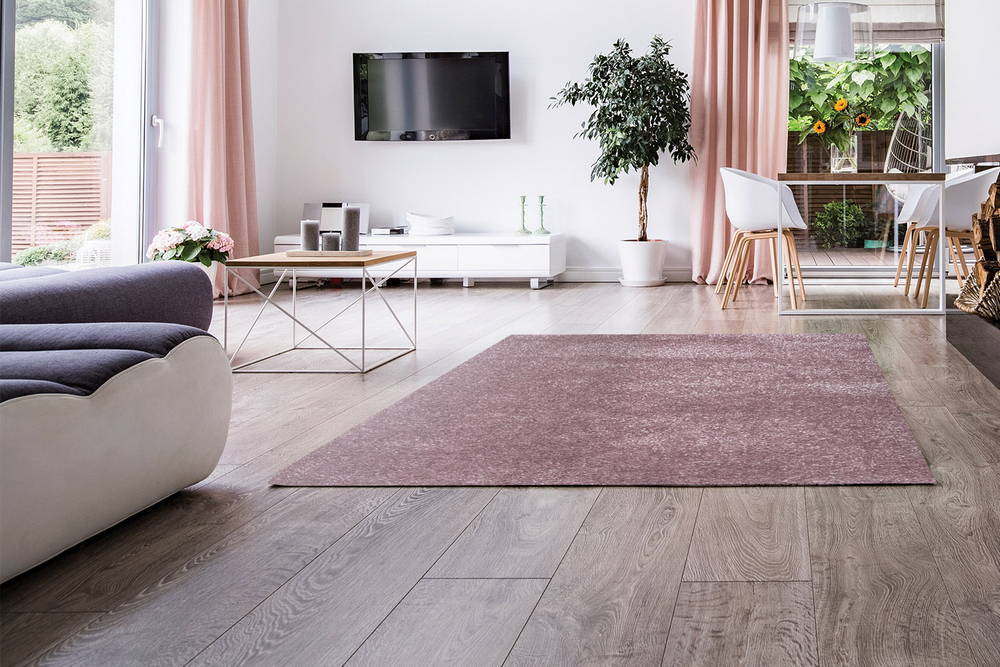
Whether it’s a modern flat in town or a traditional home on the edge of the countryside, comfort and peace are essential parts of daily life. One of the simplest ways to improve both is by choosing the right flooring — and carpets offer far more than just warmth underfoot. For anyone looking at carpets in Falkirk, it’s worth considering how they can positively influence the feel and sound of a room.
Carpets naturally absorb sound, making them ideal for creating quieter spaces. In areas where noise tends to bounce — such as hallways, stairs, or flats with neighbours below — a good quality carpet can significantly reduce echoes and muffle footsteps. This can make a real difference for households with young children, shared living arrangements, or home offices that need a calm environment. Acoustic benefits aren’t just limited to footsteps either; carpets can help reduce airborne noise such as voices or TV sounds.
Why Texture and Material Matter for Comfort
Comfort is about more than softness alone — the texture and composition of a carpet directly impact how it feels underfoot. Wool carpets, for example, provide natural insulation and are soft yet resilient, making them a solid choice for bedrooms and lounges. Meanwhile, polypropylene and nylon carpets are durable and budget-friendly, offering a cushioned feel with excellent stain resistance.
The right pile height also contributes to comfort. Deep-pile carpets feel plush and luxurious, ideal for bedrooms where comfort is key, while low-pile options are better suited to high-traffic areas where durability is essential. Adding a quality underlay can further improve comfort levels by offering additional cushioning and insulation.
Enhancing Different Rooms with the Right Carpet
Each room in a home has its own purpose, and carpets should reflect that. In bedrooms, a softer, more luxurious carpet provides warmth and a sense of calm. Look for options with a higher pile or a velvet finish for added comfort when stepping out of bed. In contrast, hallways and staircases experience heavy footfall, so loop pile or short-cut pile carpets tend to hold up better over time.
Living rooms often strike a balance between comfort and practicality. A mid-pile carpet with stain resistance is often ideal — it feels cosy but still handles the demands of a busy family space. For dining rooms, consider a low-pile carpet that’s easy to clean and doesn’t trap crumbs or dust easily.
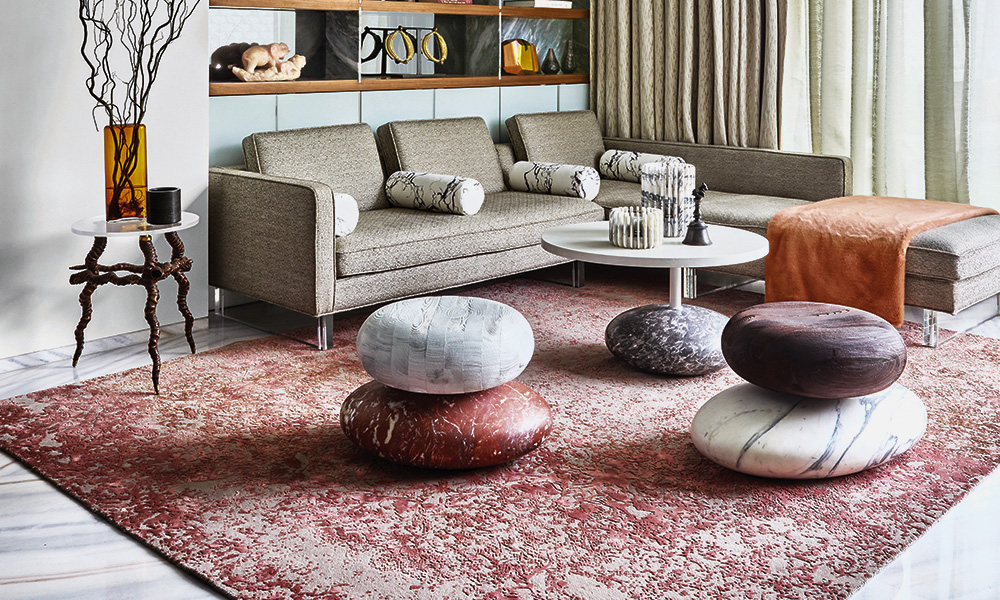
Acoustic Improvements Beyond the Obvious
While the benefits of carpeting are most noticeable in reducing footsteps and echoes, they also play a part in softening a home’s overall sound profile. In homes with hard surfaces like tile or laminate in some areas, strategic carpet placement — such as in hallways or upstairs rooms — can prevent sound from travelling between floors.
If you’ve ever moved furniture in or out of a carpeted room, you’ll likely have noticed how much quieter it becomes once the carpet is in place. This is because carpets don’t just muffle noise on impact; they actively reduce reverberation in the space. In homes with open-plan designs, this can be particularly useful in helping to create zones of quiet without putting up physical walls.
Comfort Isn’t Just Physical — It’s Visual Too
A carpet’s ability to create a warm and welcoming atmosphere isn’t limited to its physical qualities. The colour, pattern, and texture all contribute to the overall feel of a room. Soft neutral tones can bring a sense of calm, while richer colours can create a snug and inviting space, especially in colder months.
When chosen carefully, carpets offer more than a flooring solution — they contribute to how a home feels in every sense. By reducing noise, offering a soft surface to walk on, and elevating the design of a space, the right carpet can quietly become the unsung hero of home comfort.