

Key Takeaways
Plasma donation plays a vital role in treating various medical issues, such as hemophilia, immunodeficiencies, and burn injuries. Hospitals utilize millions of liters of plasma each year.
By donating plasma, you’re not just helping yourself; you’re also providing hope and essential care to local patients, as well as supporting health management within your community.
Your immune system gets a boost from plasma donation. When you give plasma, your body responds by replenishing what’s lost and ramping up its production of antibodies, which enhances your resistance to infections.
Interestingly, you can burn around 450-600 calories during a plasma donation session. This could aid in weight maintenance and energize your health journey.
In Otay Mesa, donating plasma can earn you between $50 and $100 per session. So, it’s not only a noble act but financially rewarding too!
Regularly donating plasma could also lower long-term medical bills for people with chronic health conditions, making it a smart strategy for maintaining good health.
Overall, donating plasma is often a mild and straightforward experience, thanks to modern techniques utilizing smaller needles that reduce discomfort. This means you can enjoy a quick and fulfilling donation process.
You might not know this, but you can donate plasma up to twice a week. It’s a great way to help both your health and your community by sticking to a regular donation schedule.
Why Plasma Donation is a Lifesaver in Your Community
The Critical Need for Plasma: More Than You Think
When discussing plasma donation, many folks just see it as another medical procedure. But honestly? It’s a lifeline. The need for plasma is staggering, and many people are unaware that it can address conditions like hemophilia, immunodeficiencies, and burn injuries. In an age of medical advancements, plasma remains essential for many therapies.
It’s almost unreal! Each year, hospitals utilize millions of liters of plasma-derived products. Those bags of golden fluid don’t just sit there; they’re working tirelessly, saving lives every single minute. Your choice to donate could touch the life of someone in your neighborhood. Local patients often anxiously await donations, which makes every contribution incredibly impactful.
How Your Donation Impacts Local Patients Directly
Think for a second about the people in your life—friends, family, co-workers. You may not know it, but some rely on plasma for their survival. Imagine the wave of hope they feel knowing that you could play a part in their healing process. Each time you walk into a donation center, you’re contributing a vital part of yourself to the community, literally.
Your plasma does more than just inspire hope; it provides real solutions. Chronic conditions like thrombocytopenic purpura need consistent plasma supplies for better management. Even standard treatments in hospitals depend on a steady plasma supply. It’s a cycle, really—your donation meets the needs of patients, which in turn depends on the health challenges of your community.
Top Health Benefits You Didn’t See Coming
Boosting Your Immune System: A Hidden Perk
Here’s the scoop: when you donate plasma, your body springs into action, replenishing what you’ve just given away. This isn’t just any old loss; it triggers a whole body response. Think of it as your immune system getting a mini workout. The outcome? A stronger defense against infections and illnesses.
It’s interesting to consider! Each drop of plasma you give prompts your body to create more antibodies. So, after a donation, you might actually find yourself less susceptible to that pesky cold going around the office.
Weight Loss or Maintenance: How Plasma Donation Helps
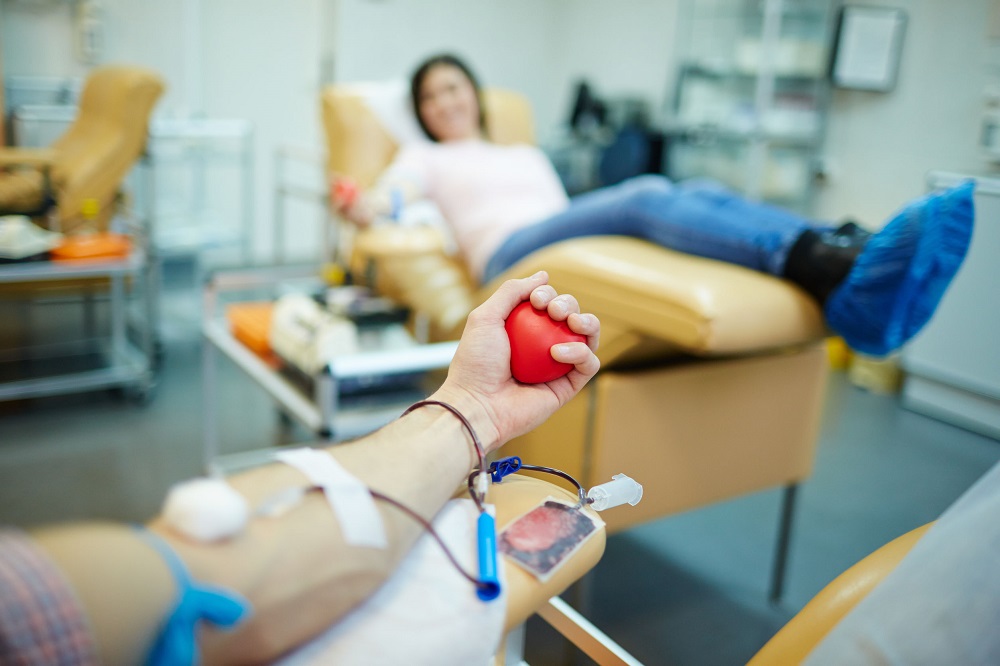
Let’s pivot to something you might call a secret weapon—weight management. Donating plasma burns calories. That’s right! You can torch around 450-600 calories in a single session. That’s quite the accomplishment, considering you’re lounging back in a reclined chair.
And here’s the kicker: plasma donation doesn’t only help in burning calories. Many donors report feeling energized and more health-conscious afterward. It’s like a wake-up call! You may feel inspired to maintain or shed those extra pounds as you realize just how much your health plays into your community’s wellbeing.
The Financial Upside: Get Paid for Giving Back
Your Time Is Valuable: What You Can Earn Per Donation
Here’s the fun part: not only are you saving lives, but you’re also making some money while doing it! Why not get rewarded for your generous acts? In Otay Mesa, donation centers like ABO Plasma offer compensation. Depending on where you go, you could earn anywhere from $50 to $100 per session.
Now, it might not make you a millionaire, but it’s a pretty sweet deal for simply giving back. Think of those extra bucks as a bonus — a little thank-you for doing something genuinely altruistic.
Saving on Medical Bills by Donating Plasma Regularly
Choosing to donate plasma in Otay Mesa strategically over multiple sessions not only helps your community but might also save you some cash in the long run. Got chronic conditions? Regular plasma donations could cut down your medical expenses in the future. Just think about it: you could lower your healthcare costs while serving your community. That’s a win-win!
Consider how plasma donation in Otay Mesa can serve as a proactive health strategy. Incorporating this into your routine could keep you fit while reducing the hassle of endless doctor visits and medication expenses.
Breaking Myths: What Plasma Donation Really Entails
Is It Painful? Let’s Debunk That Myth
Let’s clear this up: many people think donating plasma feels like a horror show—needles, pain, anxiety. But here’s the deal: it’s not nearly as scary as you might think. Sure, the thought of a needle prick can get anyone’s heart racing, but most donors say the experience is more uncomfortable than painful.
Believe it or not, modern hospitals use smaller, specialized needles to make things less uncomfortable. Just a quick pinch and then you’re off, donating this valuable resource. So, is it worth a little discomfort? Absolutely! The sense of satisfaction you’ll get from contributing something so meaningful makes it all worthwhile.
The Truth About Plasma Donation Frequency
So, how often can you really donate? Many people assume they have to wait ages between donations, but good news—you can donate plasma up to twice a week. These aren’t arbitrary rules; they exist to keep you healthy while meeting the community’s needs. However, do make sure your health supports regular donations before booking that appointment.
Just keep in mind: consistency is key. When plasma donation becomes part of your routine, you not only benefit the community regularly but also maintain a healthier lifestyle. So, why not pencil this into your schedule?
“Plasma donation isn’t just a sacrifice; it’s an investment in our community and yourself.”
To wrap things up, donating plasma has numerous benefits—both for yourself and those around you. From enhancing your personal health to aiding local patients in need, it’s definitely a journey worth embarking on. So, why not look into where to start? It could genuinely change lives, including your own, in ways you never expected.
FAQ
How does plasma donation help with mental health?
Believe it or not, donating plasma can actually uplift your mental health. It’s a feel-good act that gives you a sense of purpose. The uplifting effects of being altruistic can help reduce stress and cultivate a positive outlook, which is refreshing in today’s fast-paced world.
What conditions could plasma donation worsen?
While plasma donation offers a wealth of benefits, it’s not suited for everyone. Those with certain blood disorders, pregnancy issues, or chronic illnesses might want to pass on it. Always consult with a healthcare professional before jumping into that donation chair.
Are there any specific dietary recommendations for plasma donors?
Absolutely! Donors should prioritize hydration and nutritious foods leading up to their donation. So, think plenty of water and iron-rich foods like spinach or red meat. Stay away from fatty foods that might complicate the donation process. Giving your body the right fuel helps ensure effective plasma donation.
How does donating plasma compare to donating blood?
Great question! Plasma donation typically takes a bit longer, but it has its own unique advantages. While blood donation focuses on red blood cells for healing, plasma is crucial for addressing various conditions and boosting immune responses. Different strokes for different folks!
What’s the process like after donating plasma?
Once you’ve donated, don’t rush out. Take a moment to relax and enjoy some juice or snacks available at the center. Your body needs some time to rebalance, and those few minutes post-donation can ensure you leave feeling revitalized instead of drained.
Can you donate plasma if you’re on medication?
It really depends on the specific medication, my friend. Some medications may temporarily disqualify you from donating, while others won’t affect your eligibility at all. Definitely consult with the donation center or your doctor to clarify your situation.
Is there an age or weight limit for plasma donors?
You bet! Most donation centers require donors to be at least 18 years old and weigh a minimum of 110 pounds. These guidelines are in place to ensure safety for both you and the patients who depend on those donations.
How do plasma donation centers ensure donor safety?
The short answer? They take it very seriously. Centers adhere to strict hygiene and health screening protocols before each donation. You’ll undergo a mini-exam the first time, and they continuously monitor your health during every visit to mitigate risks.