

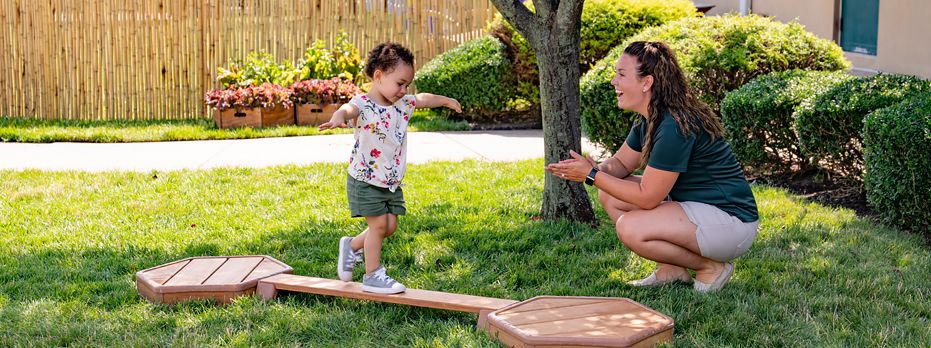
In an era characterized by hyper-vigilant parenting and highly regulated play environments, the concept of risk is often viewed with immediate apprehension. Modern society has made incredible strides in child safety, from advanced car seats to padded playground surfaces. While these innovations have undoubtedly saved lives, an unintended side effect has emerged: the sanitization of childhood. By eliminating all forms of risk, we inadvertently deprive children of the very experiences they need to develop resilience, physical competence, and sound judgment.
Healthy risk-taking is not about exposing children to genuine danger or neglect. Instead, it involves providing opportunities for adventurous play where a child can recognize and evaluate a challenge and decide how to confront it. This process is fundamental to human development. When a child climbs a tree, balances on a log, or navigates a social conflict without adult intervention, they are practicing the essential life skill of risk management. Encouraging this behavior is a vital investment in a child’s long-term emotional and psychological health.
The Developmental Necessity of Managed Risk
To understand why risk is necessary, one must distinguish between a hazard and a risk. A hazard is a danger that a child cannot see or negotiate, such as a broken slide with sharp edges or a faulty electrical outlet. A risk, however, is a challenge that a child can see and evaluate, such as deciding whether they are strong enough to reach the next branch while climbing.
Engaging with healthy risks allows children to test their physical and mental limits. This testing is crucial for the development of the vestibular and proprioceptive systems, which govern balance and body awareness. Without these experiences, children may grow up physically clumsy or fearful of movement. Furthermore, the psychological benefits are profound. Successfully navigating a risk builds a sense of self-efficacy—the belief in one’s ability to succeed in specific situations. This internal confidence becomes a foundational pillar of their personality as they move into the complexities of adolescence and adulthood.
The Cognitive Benefits of Evaluation and Choice
Every time a child encounters a risky situation, their brain engages in a high-speed cost-benefit analysis. They must assess the height of the jump, the grip of their shoes, and their own level of fear. This is executive function in its most raw and practical form.
By allowing children to make these choices, parents and educators foster critical thinking and problem-solving skills. When an adult steps in too quickly with the phrase be careful, they effectively shut down the child’s internal evaluation process. The child stops looking at the environment and starts looking at the adult for cues. Over time, this creates a dependency that can lead to anxiety and an inability to make independent decisions. Encouraging healthy risk-taking ensures that the child remains the primary actor in their own life, learning to trust their instincts and refine their judgment through trial and error.
Building Resilience Through Minor Failures
Resilience is not a trait that children are born with; it is a muscle that must be exercised. Minor injuries, such as a scraped knee or a bruised ego after a failed attempt, are part of the learning curve. These small-scale setbacks teach children that failure is not a permanent state and that they possess the capacity to recover and try again.
In a risk-averse environment, children are protected from even the smallest discomforts. This can lead to a fragile sense of self where any obstacle feels insurmountable. By experiencing the natural consequences of their actions in a controlled environment, children develop a higher tolerance for frustration. They learn to regulate their emotions when things do not go as planned, a skill that is highly correlated with academic success and healthy adult relationships.
Creating an Environment for Adventurous Play
Encouraging healthy risk does not mean stepping away entirely. It means moving from a role of a protector to a role of a facilitator. Adults can create environments that naturally invite exploration while maintaining a baseline of safety.
-
Loose Parts Play: Provide children with open-ended materials like wooden planks, tires, ropes, and crates. Unlike fixed playground equipment, these items require children to build their own challenges, fostering creativity alongside physical risk-taking.
-
Access to Nature: Natural landscapes are inherently irregular and unpredictable. Walking on uneven forest floors, crossing small streams, or climbing boulders provides a variety of sensory and physical inputs that man-made environments cannot replicate.
-
The Power of Silence: When a child is engaged in a challenging task, practice staying silent. Instead of offering constant instructions, observe. If the child seeks reassurance, offer supportive but non-directive phrases like, You are working hard to figure that out, or Do you feel steady?
-
Gradual Autonomy: Allow children to explore slightly further away in safe public spaces, such as a park or a quiet library. Increasing the physical distance between the child and the caregiver helps build the child’s sense of independence and spatial awareness.
Social and Emotional Risk-Taking
While physical risk is the most visible form, social and emotional risk-taking is equally important. This involves the courage to express an unpopular opinion, try a new hobby where they might be a beginner, or approach a new group of peers to ask to play.
Children who are encouraged to take physical risks often find it easier to take social ones. The confidence gained from mastering a physical climb translates into the confidence needed to navigate social dynamics. When parents support their children in these emotional ventures—even when they result in rejection—they help the child understand that social standing is dynamic and that their inherent worth is not tied to every social interaction. This prepares them for the complexities of a professional and social world that requires innovation and the willingness to speak up.
Moving Beyond the Culture of Fear
The shift toward encouraging risk requires a conscious effort to dismantle the culture of fear that permeates modern parenting. This fear is often fueled by 24-hour news cycles and social media, which amplify rare dangers and create a skewed perception of reality. To combat this, it is helpful to connect with other parents who value adventurous play.
When a community collectively agrees that it is okay for children to get dirty, climb high, and explore, the pressure on individual parents to be perfect protectors diminishes. This communal support creates a safer world for children to be adventurous because there are more eyes on the street and more hands willing to help, rather than just more voices ready to judge.
Redefining Success in Childhood
Success in childhood is often measured by grades, trophies, and compliance. However, a more enduring measure of success is the development of a child who is curious, brave, and capable of managing their own safety. A child who has been allowed to take risks is a child who knows their own body, understands their own mind, and is not afraid of the world.
By embracing the art of healthy risk-taking, we provide children with the tools they need to navigate an uncertain future. We give them the gift of a childhood filled with adventure and the foundation of a life built on competence and courage. In the end, the greatest risk we can take as adults is to not let our children take any risks at all.
Frequently Asked Questions
How can I tell the difference between a healthy risk and a genuine danger for my child?
A healthy risk is a challenge where the child can see the potential for a negative outcome and has the choice to proceed or stop. For example, a child choosing to balance on a curb is a risk. A genuine danger is something the child cannot foresee or control, such as a hidden patch of ice or a busy road with high-speed traffic nearby. If the child can assess the situation, it is likely a healthy risk.
What should I do if my child is naturally very cautious and refuses to take any risks?
Respect their temperament and avoid forcing them into scary situations. Instead, offer micro-challenges. If they are afraid to jump off a low step, hold their hand or encourage them to just step down. Celebrate the smallest brave moments. Often, cautious children need more time to observe others before they feel comfortable trying it themselves.
How do I handle criticism from other parents who think I am being too permissive or unsafe?
Focus on the developmental benefits and be prepared with a calm explanation. You might say, I am helping them learn how to manage their own safety by letting them explore their limits. Having a clear philosophy of why you allow certain behaviors helps you remain confident even when others have a different parenting style.
At what age can I start allowing my child to take more significant risks?
Risk-taking starts in infancy when a baby tries to pull themselves up or crawl over an obstacle. The level of risk should always be age-appropriate. As a child’s motor skills and cognitive reasoning improve, the complexity of the risks can increase. The key is to match the challenge to the child’s current physical and mental abilities.
How can schools incorporate healthy risk-taking into their curriculum?
Schools can implement forest school programs, provide loose parts on the playground, and encourage student-led projects. Teachers can also foster an environment where mistakes in the classroom are celebrated as learning opportunities, encouraging students to take the intellectual risk of sharing unfinished ideas or challenging traditional concepts.
Does encouraging physical risk-taking lead to more trips to the emergency room?
While minor scrapes and bruises are common, studies of playgrounds that prioritize risk-taking—often called adventure playgrounds—actually show a lower rate of severe injuries. This is because children are more focused and attentive when they perceive a risk, whereas they tend to become reckless or bored on overly sanitized, unchallenging equipment.
What is the role of technology in risk-taking for modern children?
Digital risk-taking, such as exploring new software or learning to code, is valuable but does not replace the need for physical and social risk. Physical risk provides sensory feedback that is essential for brain development. It is important to ensure that a child’s digital exploration is balanced with real-world experiences where physical consequences are tangible.