

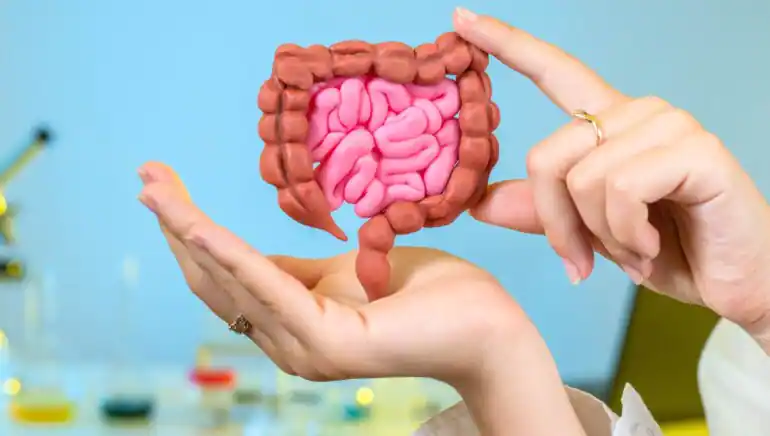
The long-standing architectural view of the human body suggests that the brain is the solitary commander-in-chief, issuing orders from the top down. However, modern neuroscience and gastroenterology have uncovered a far more democratic arrangement. Hidden within the lining of the digestive system is the enteric nervous system, often referred to as the second brain. This complex network of millions of neurons does not just digest food; it serves as a primary driver of emotional health, stress resilience, and cognitive function.
The connection between the gut and the mind is not merely metaphorical. When people speak of having a gut feeling or feeling butterflies in their stomach, they are describing the physiological reality of the gut-brain axis. This bidirectional communication highway ensures that the state of your microbiome—the trillions of bacteria living in your intestines—directly influences the chemistry of your mind.
The Science of the Microbiome and Neurochemistry
To understand how gut health influences mood, one must look at the production of neurotransmitters. While most people associate chemicals like serotonin and dopamine exclusively with brain function, the reality is that the gut is a massive chemical factory.
-
Serotonin Production: Approximately 95 percent of the body’s serotonin, a primary hormone responsible for stabilizing mood and feelings of well-being, is produced in the gastrointestinal tract.
-
GABA Regulation: Beneficial gut bacteria produce gamma-aminobutyric acid (GABA), an inhibitory neurotransmitter that helps control feelings of fear and anxiety.
-
The Vagus Nerve: This is the physical “cables” connecting the gut to the brain. It acts as a superhighway, sending signals about the state of the digestive system directly to the brain’s emotional centers.
When the balance of bacteria in the gut is disrupted—a state known as dysbiosis—the production and transmission of these chemicals are compromised. This disruption is increasingly linked to the development of mood disorders, including clinical depression and generalized anxiety.
Inflammation and the Immune Connection
One of the most significant ways gut health impacts mood is through the immune system. The gut houses roughly 70 percent of the body’s immune cells. When the gut lining is compromised—often referred to as leaky gut or increased intestinal permeability—pro-inflammatory cytokines are released into the bloodstream.
These inflammatory markers can cross the blood-brain barrier. Once in the brain, chronic inflammation interferes with the normal functioning of neural circuits, particularly those involved in reward and motivation. This biological process explains why individuals with chronic digestive issues, such as Irritable Bowel Syndrome (IBS) or Crohn’s disease, experience significantly higher rates of depression and anxiety than the general population. The inflammation in the gut is quite literally causing inflammation in the brain.
Dietary Influences on the Gut-Mood Axis
The food we consume acts as the primary fuel for our microbiome. A diet high in processed sugars and artificial fats encourages the growth of “bad” bacteria, which produce toxins that can impair cognitive function and lower mood. Conversely, certain dietary patterns have been shown to foster a microbiome that supports mental clarity and emotional stability.
Essential Nutrients for a Happy Gut
-
Prebiotic Fibers: These are non-digestible fibers found in garlic, onions, leeks, and bananas. They act as “fertilizer” for beneficial bacteria.
-
Probiotic-Rich Foods: Fermented foods like kefir, sauerkraut, kimchi, and yogurt introduce live beneficial cultures directly into the system.
-
Omega-3 Fatty Acids: Found in fatty fish and flaxseeds, these fats are crucial for maintaining the integrity of the gut lining and reducing systemic inflammation.
-
Polyphenols: Found in dark chocolate, green tea, and berries, these compounds are broken down by gut bacteria into metabolites that protect the brain.
The Role of Stress in Gut Health
The gut-brain axis is a two-way street. While an unhealthy gut can cause anxiety, chronic psychological stress can also devastate the gut microbiome. When the body is in a state of “fight or flight,” blood flow is diverted away from the digestive system. This slows down digestion and can alter the acidity of the stomach, making it an inhospitable environment for beneficial bacteria.
Over time, chronic stress can change the very composition of the microbiome, leading to a vicious cycle. The stress damages the gut, and the damaged gut sends signals to the brain that increase the perception of stress and anxiety. Breaking this cycle requires a dual approach: managing psychological triggers while simultaneously nourishing the physical gut environment.
Psychobiotics: The Future of Mental Health
The emerging field of psychobiotics focuses on using specific strains of bacteria to treat mental health conditions. Research has shown that certain strains, such as Lactobacillus helveticus and Bifidobacterium longum, can reduce cortisol levels and alleviate symptoms of anxiety in human subjects.
This represents a paradigm shift in psychiatry. Instead of solely targeting brain chemistry through pharmaceutical intervention, clinicians are beginning to look at the gut as a therapeutic target. By optimizing the microbiome through targeted probiotic supplementation and dietary changes, it may be possible to manage mood disorders with fewer side effects than traditional medications.
Practical Steps to Improve Your Gut and Mood
Improving gut health is not an overnight process, but consistent changes can yield significant mental health benefits within a few weeks.
-
Diversify Your Plate: Aim for 30 different types of plant-based foods per week to ensure a diverse range of bacterial species.
-
Limit Artificial Sweeteners: Some studies suggest that sweeteners like aspartame and saccharin can negatively alter the composition of gut microbes.
-
Prioritize Sleep: The microbiome has its own circadian rhythm. Irregular sleep patterns can disrupt bacterial balance.
-
Hydrate Consistently: Water is essential for the mucosal lining of the intestines and helps beneficial bacteria thrive.
Conclusion
The influence of the gut on the mind is profound and often overlooked. By recognizing that our emotional state is deeply intertwined with our biological health, we can take more agency over our well-being. A healthy gut provides the chemical foundation for a resilient, positive mind. As research continues to unravel the complexities of the microbiome, it becomes increasingly clear that the path to mental health may very well run through the stomach.
Frequently Asked Questions
How long does it take for dietary changes to affect my mood via the gut?
While some people report improved energy levels within a few days, it typically takes three to four weeks of consistent dietary changes for the microbiome to shift significantly enough to produce a noticeable, sustained impact on mood and emotional regulation.
Can antibiotics cause temporary depression or anxiety?
Yes. Antibiotics are designed to kill harmful bacteria, but they are often non-discriminatory and wipe out beneficial “mood-boosting” bacteria as well. This sudden shift in the microbiome can lead to temporary fluctuations in mood, often referred to as post-antibiotic blues.
Is there a specific time of day that is best for taking probiotics?
Most experts recommend taking probiotics either first thing in the morning or right before bed when stomach acid levels are naturally lower. This helps more of the live bacteria survive the journey through the stomach to the intestines.
Do artificial food colorings impact gut health?
Emerging research suggests that certain synthetic food dyes can trigger inflammatory responses in the gut and may interfere with the signaling between the gut and the brain, particularly in children and sensitive individuals.
Can exercise improve the diversity of my gut bacteria?
Absolutely. Physical activity has been shown to increase the diversity of the microbiome independently of diet. Exercise promotes the growth of bacteria that produce butyrate, a short-chain fatty acid that helps protect the brain and reduce inflammation.
How does alcohol consumption affect the gut-mood connection?
Alcohol is a known gut irritant that can increase intestinal permeability (leaky gut). It also tends to suppress beneficial bacteria while allowing pro-inflammatory species to flourish, which contributes to the “low” feeling many experience the day after drinking.
Are there signs other than mood that indicate my gut health is poor?
Yes. Chronic bloating, frequent gas, skin issues like acne or eczema, sugar cravings, and unexplained fatigue are all common physical indicators that your gut microbiome may be out of balance.