

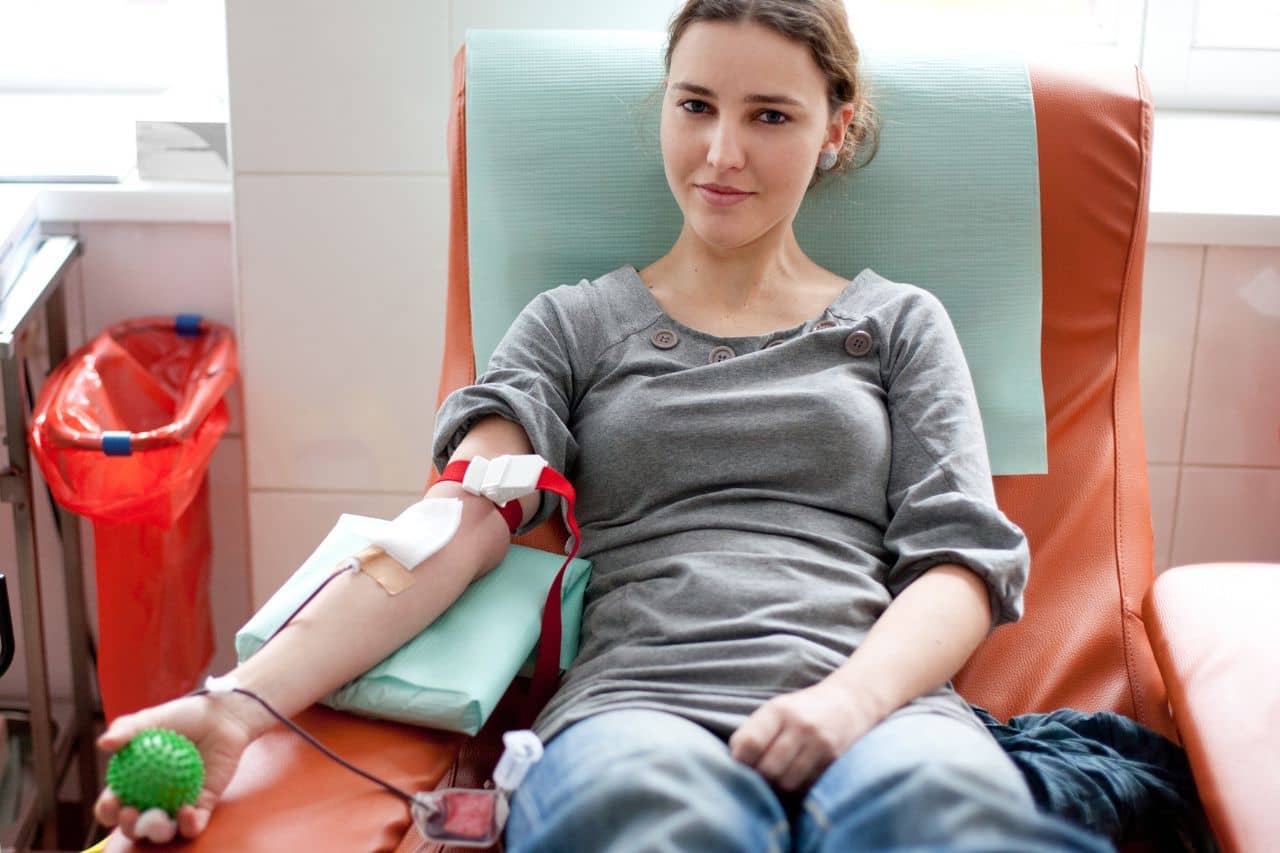
The Science Behind Plasma Donation: What You Should Know
Understanding Plasma: The Vital Role in Healthcare
Plasma is the yellowish liquid component of blood that holds the blood cells in suspension. Comprising about 55% of total blood volume, plasma is primarily made up of water (about 90%) along with proteins, electrolytes, nutrients, hormones, and waste products. The vital role that plasma plays in healthcare cannot be overstated; it is crucial for maintaining blood pressure, supplying critical proteins for blood clotting and immunity, and transporting various substances to and from cells. In hospitals, plasma-derived therapies are used to treat a range of conditions, from hemophilia and other bleeding disorders to burn patients and immunodeficiency illnesses. For those in need of transfusions, a healthy supply of plasma can be life-saving.
How Plasma Donation Works: A Step-by-Step Guide
Donating plasma may initially sound intimidating, but the process is straightforward and designed to be both efficient and safe. The process starts with potential donors undergoing a thorough screening to verify their health status and eligibility. This screening includes a questionnaire regarding medical history and lifestyle choices, followed by a quick health check. Once approved, the donor is seated in a comfortable chair, and a healthcare professional will sanitize the skin at the puncture site before inserting a sterile needle into a vein, typically in the arm. The donation process lasts about 45 minutes to an hour, during which blood is drawn, plasma is separated using a method called apheresis, and the remaining components (red blood cells, platelets, and white blood cells) are returned to the donor’s bloodstream. After the donation, donors may rest and hydrate to replenish their bodies, as plasma donation can result in temporary fatigue and minor dehydration.
Health Benefits of Donating Plasma: More Than Just Good Karma
Beyond the altruistic motivations for donating plasma, there are several health benefits associated with the practice. Studies indicate that regular plasma donors may experience increased levels of the protein albumin in their plasma, which can help maintain fluid balance in the body. Moreover, the process of donating plasma encourages active engagement with your health; donors typically receive physical examinations, which can help in identifying undiagnosed health issues. There’s also an emotional uplift, as many donors report feelings of satisfaction and happiness knowing they contribute to the well-being of individuals in critical need. The act of plasma donation not only aids those in peril but also connects individuals to a supportive community of donors, thereby enhancing social bonds and fostering a sense of purpose and belonging.
The Donation Experience: What to Expect at Plasma Centers in NJ
Your First Visit: What Happens Behind Closed Doors?
Arriving at a plasma donation center for the first time can elicit a variety of emotions, from excitement to nervousness. However, understanding what happens can alleviate some of that anxiety. Upon arrival, you will check in and complete registration paperwork. This typically involves providing identification and consent for the donation. An initial health assessment will follow, including blood pressure, pulse, hemoglobin level, and a health questionnaire. The medical staff at these centers are highly trained and dedicated to creating a welcoming environment, ensuring first-time donors feel comfortable and informed. Once cleared, you will proceed to the donation area, where your plasma will be collected, a process that is closely monitored by trained professionals who prioritize your safety and comfort throughout the entire procedure.
Comfort and Safety: The Protocols that Keep You Secure
Safety is paramount in plasma donation centers, as strict protocols and guidelines are followed to protect donors. In New Jersey, licensed plasma centers adhere to protocols set by the Food and Drug Administration (FDA) and the American Association of Blood Banks (AABB). By utilizing sterile equipment and ensuring stringent cleaning procedures, facilities minimize the risk of contamination. Additionally, donors are constantly monitored for any adverse reactions during and after the donation. The comfort of donors is also a priority during the donation process, with reclining chairs, refreshments post-donation, and staff trained in patient care to help ease any anxiety or discomfort. The centers often encourage donors to bring along a book or use their mobile device to pass the time while their plasma is being collected.
The Aftercare Journey: Taking Care of Yourself Post-Donation
After donating plasma in NJ, it is essential to take care of yourself to promote recovery and feel your best. Most plasma centers will provide specific aftercare instructions, emphasizing the importance of hydration; drinking water or electrolyte-rich beverages helps replenish lost fluids. Additionally, consuming a balanced meal within a few hours post-donation aids in restoring energy levels and maintaining overall health. Some donors may experience minor side effects such as lightheadedness or fatigue; thus, resting for a short period at the center or at home afterward is advisable. Engaging in light activities rather than rigorous exercise for the remainder of the day can also help. It is advisable to monitor any unusual symptoms and contact healthcare professionals if any concerning reactions arise. Establishing a routine for regular plasma donations, accompanied by proper care, can enhance both your well-being and the lives of others.
Finding the Right Plasma Donation Center in New Jersey: Tips & Tricks
Top-Notch Centers: Where to Go for an Exceptional Experience
Choosing the right plasma donation center is crucial for a positive donation experience. Fortunately, New Jersey boasts a variety of options ranging from large national chains to smaller, community-focused facilities. Researching the reputation of different centers through online reviews and testimonials can guide potential donors in selecting a location. The best centres often have well-trained staff, modern facilities, comfortable waiting areas, and a strong emphasis on donor care. Institutions affiliated with reputable blood banks or medical facilities usually guarantee high safety and quality standards. Additionally, prospective donors should feel empowered to visit centers beforehand to inquire about their processes, cleanliness, staff qualifications, and how they handle donor feedback or concerns.
Local vs. National Facilities: Making the Right Choice for Donation
When deciding between local and national plasma donation centers, consider factors like convenience, community involvement, and personal preferences. National facilities typically offer a more standardized experience in terms of protocols and donor benefits, such as potential compensation for donations. However, local centers might provide a more personalized service, fostering a sense of community and connection between donors and the organization. Many local centers also operate on various community initiatives, including educational programs and health screenings, which might resonate with individuals looking for ways to give back locally. Understanding what you value more in your donation experience—whether it’s a warm local atmosphere or the resources of a larger entity—will lead you in making the right choice.
The Community Impact: How Your Donation Makes a Difference Right Here at Home
The impact of plasma donations resonates beyond individual benefits; it significantly benefits the community at large. Local hospitals and clinics rely heavily on plasma donations to meet the healthcare needs of patients in critical conditions. Each donation can be transformed into life-saving therapies for burn victims, trauma patients, and individuals suffering from chronic illnesses. Community-based campaigns often highlight the dire need for plasma by showcasing the stories of those who have benefitted directly from donors’ generosity. Furthermore, a robust plasma donation program encourages community involvement and awareness surrounding health issues, fostering a culture of caring and responsibility. By donating locally, individuals not only contribute to an immediate positive effect on the health of their neighbors but also encourage a ripple effect of altruism and support within the community.
Frequently Asked Questions: Clearing Up Misconceptions About Plasma Donation
Myths vs. Facts: Debunking Common Misunderstandings
Despite the growing awareness around plasma donation, numerous myths persist that can deter potential donors. One common misconception is the belief that donating plasma is a painful process. In reality, while some discomfort may be felt during the initial needle insertion, most donors report that the experience is far less uncomfortable than they anticipated. Another myth suggests that only individuals with certain medical backgrounds can donate plasma; however, anyone in good health who meets age and weight criteria can often donate. There is also a prevalent myth regarding the frequency of donations, with some believing that donating plasma frequently can lead to adverse health effects. In truth, the body can recover fully, and organizations have established guidelines indicating safe donation frequencies. By educating oneself on the realities of plasma donation, more individuals can be motivated to participate in this life-saving practice.
Eligibility Criteria: Who Can Become a Plasma Donor?
Eligibility for plasma donation involves meeting certain criteria designed to safeguard both the donor’s health and the integrity of the collected plasma. Generally, potential donors must be at least 18 years old and weigh a minimum of 110 pounds. They should be in good health, free from chronic illnesses or infections, and not currently taking medications that affect donor eligibility. Specific guidelines may vary by center, and potential donors are encouraged to review these prior to their visit. Individuals who have recently traveled to areas with risk of infectious diseases or have a recently changed medical condition may face temporary restrictions. Understanding these eligibility guidelines is key to facilitating a smooth donation process.
Compensation and Incentives: Understanding the Financial Aspects
The conversation around plasma donation often includes the topic of compensation, which can vary significantly across different facilities. Many national plasma donation centers offer monetary compensation to donors as an incentive for their time and effort, often ranging from $20 to $50 per donation. These payments are structured to acknowledge the time spent involved in the donation experience rather than acting as payment for the plasma itself, as ethical standards dictate that compensation should not compromise the voluntary nature of donation. Additionally, some centers offer promotions or bonuses for first-time donors, referrals, or consecutive donations. While compensation might be a motivating factor for some, the primary focus should remain on the act of altruism and the positive impact behind each donation.
Useful Resources
- American Red Cross
- AABB (American Association of Blood Banks)
- S. Food and Drug Administration (FDA)
- Plasma Lab
- National Heart, Lung, and Blood Institute
- Healthline
- Mayo Clinic
- Centers for Disease Control and Prevention (CDC)