

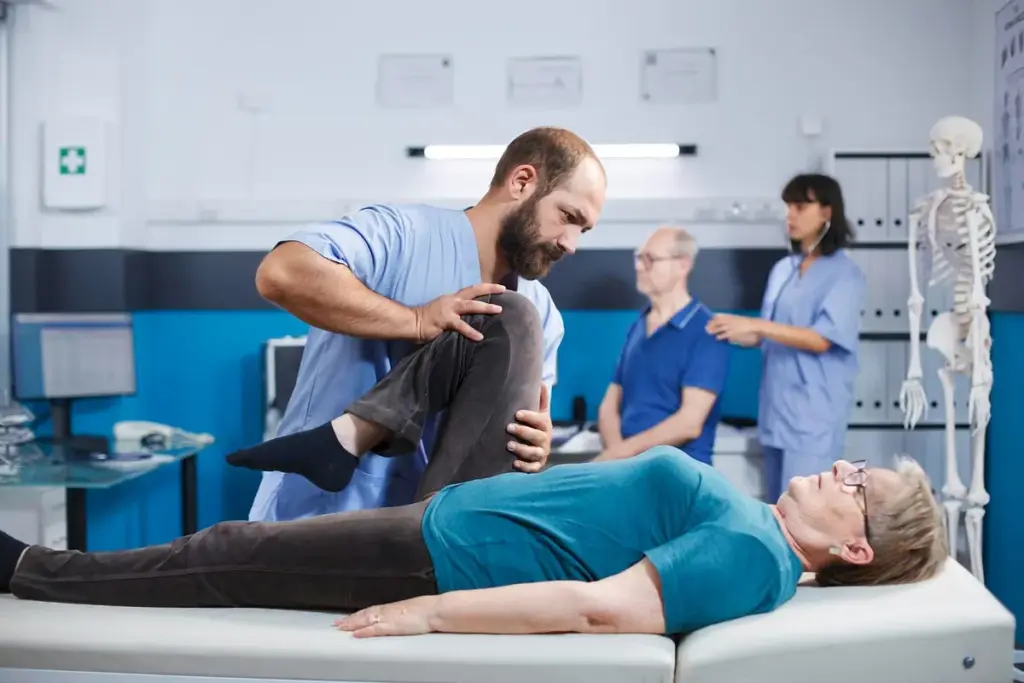
Why Orthopedic Health Matters More Than You Think
Most people do not spend much time thinking about their bones and joints until something starts to hurt. A stiff knee, a sore shoulder, or lingering back pain can quickly change how you move through daily life. Orthopedic health sits quietly in the background until it becomes impossible to ignore, and by then it often demands attention.
What makes orthopedic care so important is how directly it connects to independence. Simple activities like walking, lifting, or even sitting comfortably depend on a healthy musculoskeletal system. When something is off, it affects not just physical comfort but also mood, energy, and overall quality of life. That is where general orthopedic services come into play, offering both preventative care and targeted treatment.
Everyday movement and long term mobility
Movement is something most of us take for granted. You wake up, stretch, walk to the kitchen, and carry on with your day without much thought. But each of those actions depends on a complex interaction between bones, muscles, ligaments, and joints working together.
Over time, wear and tear can start to affect that system. Small aches can develop into chronic issues if left untreated. Paying attention early, and seeking the right care, can make a significant difference in maintaining mobility as you age.
Pain as an early warning signal
Pain is often the body’s way of asking for help. It might show up as a dull ache after activity or a sharp sensation during movement. While it is easy to brush off minor discomfort, persistent pain is rarely something that resolves completely on its own.
Understanding pain as a signal rather than an inconvenience can shift how people approach their health. Early evaluation can uncover underlying issues before they become more serious. This approach often leads to simpler treatments and better long term outcomes.
What General Orthopedic Services Actually Include
Orthopedic care is broader than many people realize. It is not just about surgery or major injuries. In fact, a large portion of orthopedic work focuses on non surgical treatments that help patients recover and manage conditions effectively.
General orthopedic services typically cover diagnosis, treatment, rehabilitation, and prevention. This includes everything from evaluating joint pain to managing sports injuries and guiding recovery after procedures. The goal is always to restore function and reduce discomfort in a sustainable way.
Non surgical treatments and therapies
Many orthopedic conditions can be managed without surgery. Physical therapy is one of the most common approaches, helping patients strengthen muscles and improve flexibility. This type of treatment often addresses the root cause of pain rather than just the symptoms.
Other options may include medication, injections, or lifestyle adjustments. For example, modifying daily habits or improving posture can have a noticeable impact on joint health. These approaches are often combined to create a personalized treatment plan.
When surgical intervention becomes necessary
While non surgical care is often effective, there are situations where surgery is the best option. Severe injuries, advanced joint damage, or conditions that do not respond to other treatments may require a surgical solution. These decisions are typically made after careful evaluation.
Modern orthopedic surgery has advanced significantly. Techniques are more precise, recovery times are often shorter, and outcomes continue to improve. For many patients, surgery can restore mobility and reduce pain in ways that were not possible in the past.
Common Conditions Treated in Orthopedic Care
Orthopedic specialists treat a wide range of conditions that affect people of all ages. Some are related to injuries, while others develop gradually over time. Understanding these conditions can help people recognize when to seek care.
From minor sprains to chronic joint issues, orthopedic care adapts to different needs. Each condition requires a tailored approach, depending on severity and individual lifestyle.
Joint pain and arthritis
Joint pain is one of the most common reasons people seek orthopedic care. It can affect knees, hips, shoulders, and other areas that handle regular movement. Arthritis, in particular, is a leading cause of joint discomfort.
This condition involves inflammation and gradual wear of the joint. While it cannot always be reversed, it can be managed effectively. Treatment often focuses on reducing pain, improving mobility, and slowing progression.
Sports injuries and active lifestyles
People who lead active lifestyles are more likely to experience injuries. These can range from minor strains to more serious issues like ligament tears. Even everyday activities can sometimes lead to unexpected injuries.
Orthopedic care plays a key role in helping individuals recover safely. Treatment plans are designed to restore strength and prevent future injuries. This is especially important for those who want to stay active long term.
How Technology Is Changing Orthopedic Care
Advancements in technology have transformed how orthopedic conditions are diagnosed and treated. Imaging tools, minimally invasive procedures, and digital monitoring systems have all contributed to better outcomes.
These innovations make it easier for doctors to understand what is happening inside the body. They also allow for more precise treatments, which can lead to faster recovery and less discomfort for patients.
Advanced imaging and accurate diagnosis
Modern imaging techniques provide detailed views of bones and soft tissues. This helps doctors identify issues that might not be visible through physical examination alone. Accurate diagnosis is the foundation of effective treatment.
With better imaging, treatment plans can be more targeted. This reduces the trial and error approach that was more common in the past. Patients benefit from quicker answers and more efficient care.
Minimally invasive procedures and recovery
Surgical techniques have evolved to become less invasive. Smaller incisions, specialized tools, and improved methods mean less trauma to the body. This often results in shorter recovery times and reduced risk of complications.
Patients today can often return to normal activities sooner than expected. Rehabilitation still plays an important role, but the overall experience is generally smoother. These advancements have made surgery a more accessible option for many.
The Role of Rehabilitation in Long Term Recovery
Recovery does not end when treatment is completed. Rehabilitation is a critical part of the process, helping patients regain strength and function. Without it, even successful treatments may not reach their full potential.
Rehabilitation programs are tailored to each individual. They take into account the type of condition, the treatment performed, and the patient’s goals. This personalized approach helps ensure lasting results.
Physical therapy and guided movement
Physical therapy focuses on restoring movement and building strength. Therapists guide patients through exercises designed to improve flexibility and stability. These sessions often evolve over time as progress is made.
Consistency is key in rehabilitation. Regular practice helps reinforce improvements and prevent setbacks. Patients who stay engaged in their therapy often see better outcomes.
Building habits that support joint health
Rehabilitation is not just about recovery, it is also about prevention. Learning how to move correctly, maintain good posture, and stay active can reduce the risk of future problems. These habits become part of daily life.
Simple changes can make a big difference. For example, adjusting how you lift objects or incorporating regular stretching can protect your joints. Over time, these habits support long term health.
Choosing the Right Orthopedic Care Provider
Finding the right provider can feel overwhelming, especially when dealing with pain or injury. However, taking the time to choose carefully can make a significant difference in the overall experience and outcome.
A good provider will not only have the right expertise but also communicate clearly and listen to your concerns. This combination helps build trust and ensures that care is aligned with your needs.
What to look for in a provider
Experience and specialization are important factors to consider. Some providers focus on specific areas such as sports injuries or joint replacement. Understanding their expertise can help match your needs with the right professional.
Communication is equally important. Patients should feel comfortable asking questions and discussing their concerns. A provider who takes the time to explain options can make the process less stressful.
Building a long term care relationship
Orthopedic care is often not a one time experience. Ongoing support may be needed for chronic conditions or recovery. Building a relationship with a trusted provider can make future care easier to navigate.
This continuity allows for better monitoring and adjustments over time. It also creates a sense of confidence, knowing that your care is in capable hands. Long term relationships often lead to better health outcomes.
Looking Ahead at the Future of Orthopedic Care
Orthopedic care continues to evolve as new research and technology emerge. From regenerative treatments to improved surgical techniques, the field is constantly advancing. These developments offer new possibilities for patients.
At the same time, there is a growing emphasis on prevention and early intervention. Helping people maintain healthy joints and avoid injury is becoming just as important as treating existing conditions.
Emerging treatments and innovations
New approaches such as regenerative medicine are gaining attention. These treatments aim to repair damaged tissues and promote healing from within. While still developing, they show promising potential.
Technology will likely continue to play a major role. From wearable devices to advanced surgical tools, innovation is shaping the future of care. Patients can expect more personalized and effective treatment options.
A more patient centered approach
Modern orthopedic care is becoming more focused on the individual. Treatment plans are increasingly tailored to each person’s lifestyle, goals, and preferences. This approach recognizes that no two patients are exactly the same.
By combining expertise with personalization, orthopedic care is moving toward better outcomes. Patients are not just treated, they are actively involved in their own recovery and long term health. This shift is redefining what quality care looks like.